

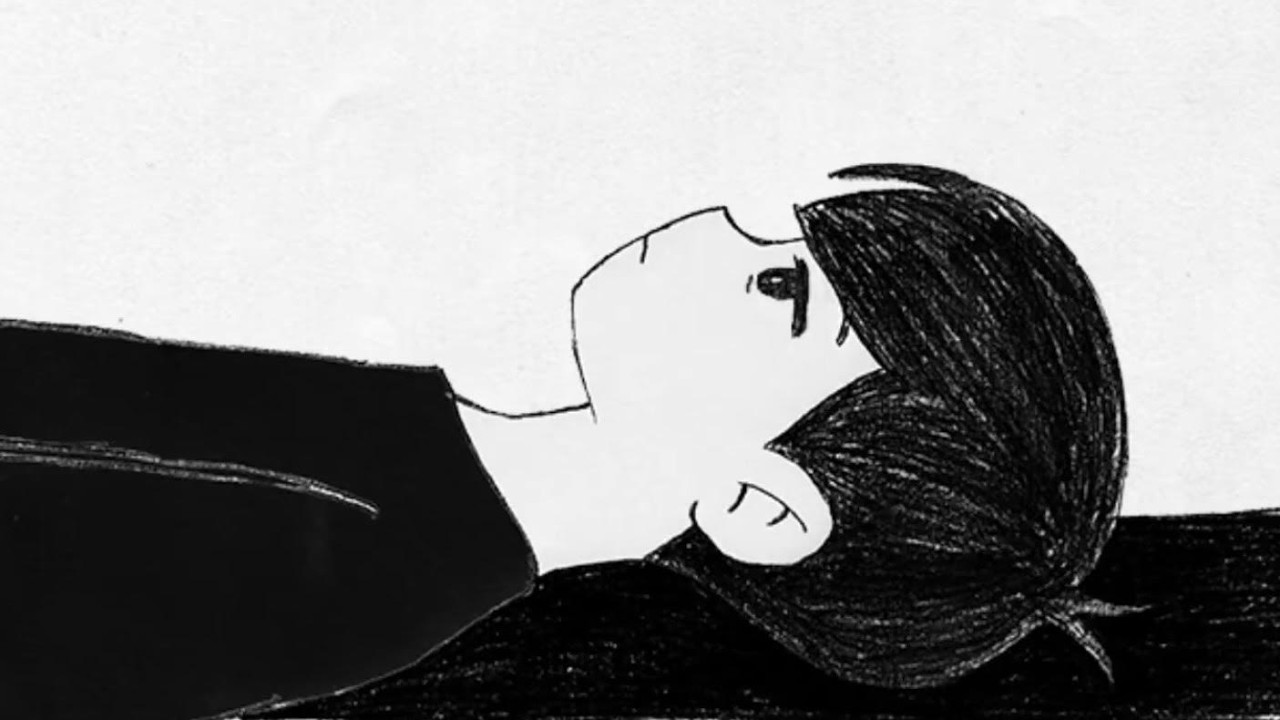
The Desire to Be Sad
Clark Elieson on YouTube
A video on YouTube. In Video Essays, a Krater category.
Watch on YouTubeSummary by Krater
An analytical video exploring the psychology behind the desire to be sad, drawing on Sigmund Freud's theory of mourning and melancholia, Jacques Lacan's psychoanalytic registers, and various films, books, and video games.
From the video
Answers: Why do people feel a desire to be sad and melancholic?
- melancholia
- mourning
- Sigmund Freud
- Jacques Lacan
- grief
- psychoanalysis
- art and sadness
What it concludes
- Freud saw melancholia as a failure to mourn because the person cannot articulate what they have lost in the object.
- Melancholia stems from a lack of symbolic resources to work through feelings and process grief.
- Art, films, and literature act as signifiers that help us grasp what we cannot put into words regarding our losses.
- The Other's mourning can act as an imaginary route for the subject, but not more than that.
- Melancholic people do not just mourn a loss, but identify with the loss itself, making the feeling endless.
- We can never find a substitute after a loss, and acknowledging this permanent lack is essential to perpetuating love.
Seen it? Rate it, review it and add it to your lists.
Title, thumbnail and channel name from YouTube. Krater isn't affiliated with, endorsed by or sponsored by YouTube or Google.